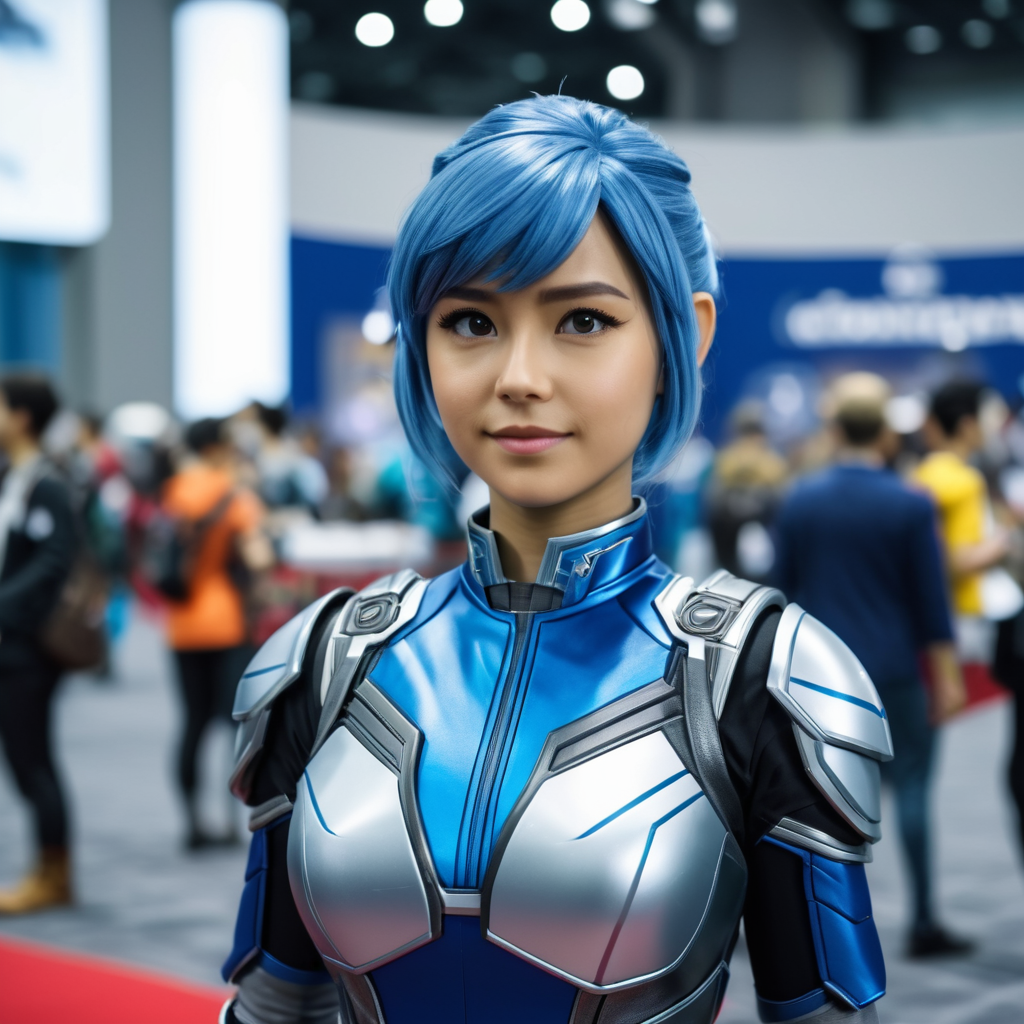
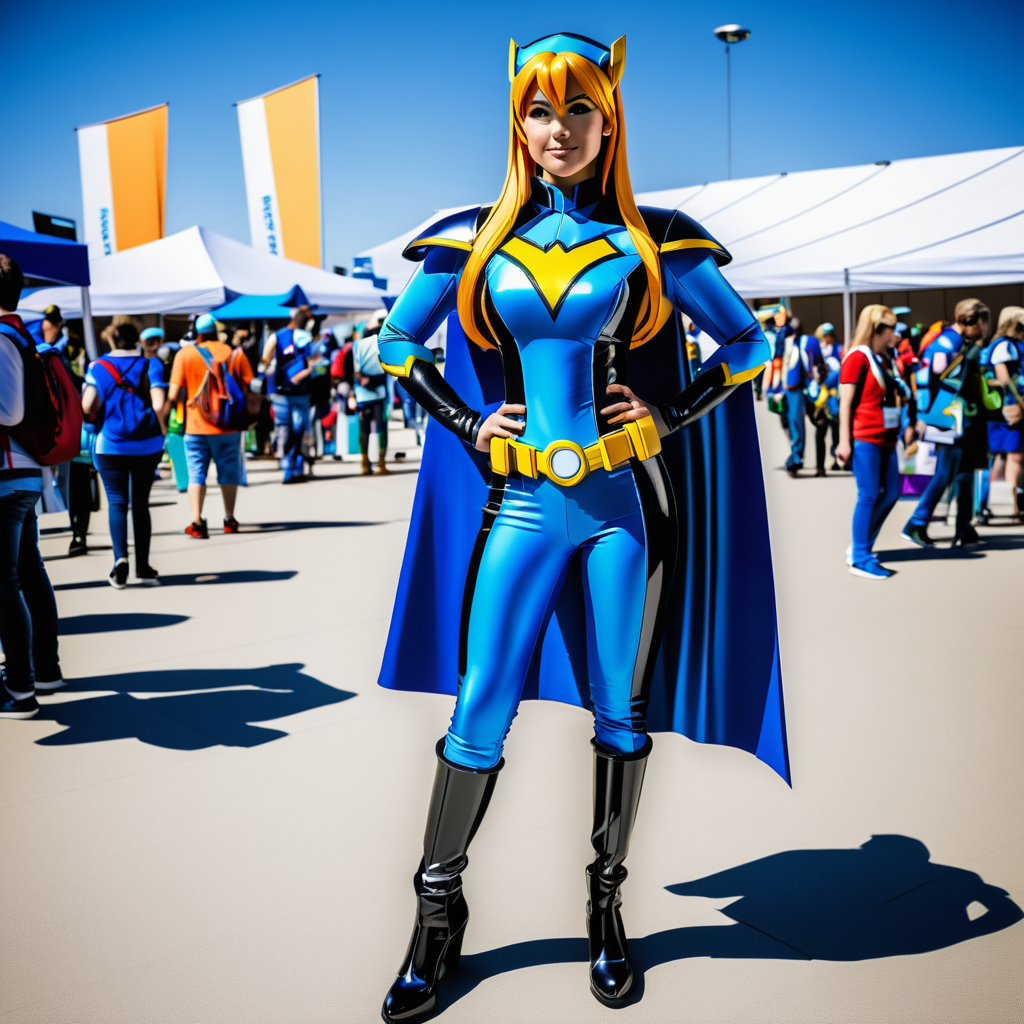
It was a blistering summer day in San Diego, 1987, and the annual Comic-Con was in full swing. The convention center was a bustling hub of costumed heroes and villains, with everyone from the Star Wars fandom to the burgeoning anime culture rubbing shoulders in a sea of polyester and foam. Amidst this chaos, a peculiar newcomer grabbed the spotlight: Ethyl-vinyl (Eva), a cosplayer with a unique style that would soon make her a legend.
Eva, born in a small town in Michigan, was an early adopter of the more "authentic" cosplay materials. Her signature look was a custom version of She-Ra, the Princess of Power, but with a twist. Eva had discovered the wonders of Ethylene-vinyl acetate (EVA) foam. She had read about its properties: softness, durability, and waterproofness, and decided to incorporate it into her She-Ra costume, making her own EVA-based foam shoulders and a cape.
At Comic-Con, the first thing you noticed about Eva was the distinctively pungent scent of her costume. The vinegar-like odor of EVA foam filled the air, a perfect companion to the sweaty summer heat. Her costume was meticulously handcrafted, but the soft, flexible shoulder pads had a life of their own. They moved in the most unexpected ways, giving her She-Ra arms a life-like floppiness that was equal parts mesmerizing and alarming.
"Look at those shoulder pads moving on their own!" she'd cheerfully announce as she did a victory pose, sending ripples through her EVA foam masterpiece.
Eva’s presence at Comic-Con was a hit, and she quickly became a star of the 80s cosplay scene. Her innovative use of materials inspired many, but it also faced its fair share of scrutiny. Some purists scoffed at her use of EVA foam, calling her costume "cheap" and "unoriginal." Eva took this in stride.
"Materials don't make the cosplayer!" she joked, always quick with quips.
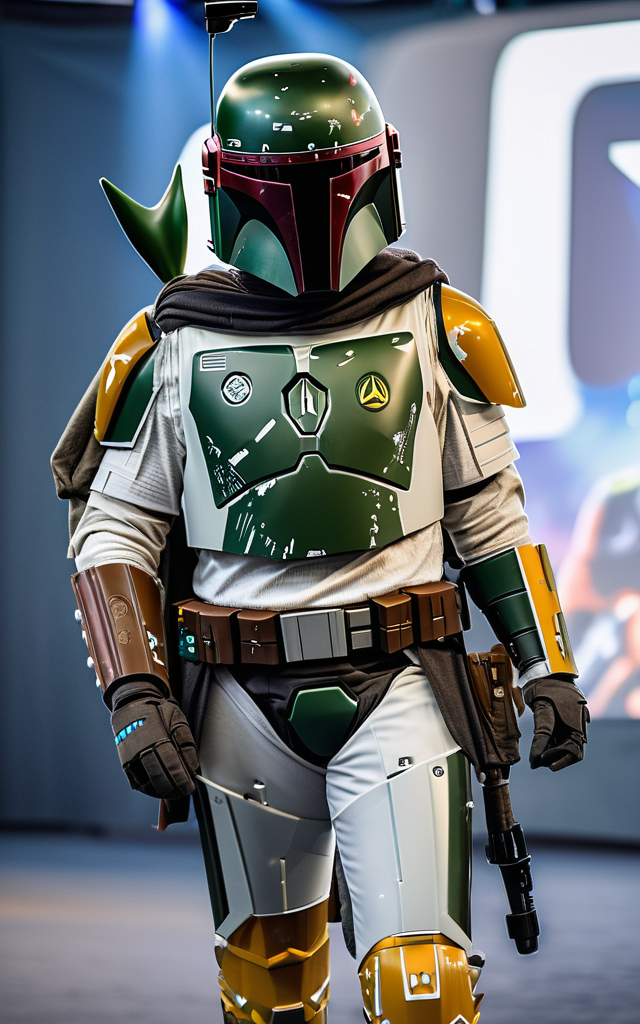
The decade passed, and Eva returned to Comic-Con year after year, each time with a new costume and a new foam innovation. In the early 90s, she experimented with Polystyrene foam, creating a foam-based armor for her Princess Leia ensemble. The result was a Leia with a surprisingly futuristic, yet somewhat unsettling, foam helmet.
The 90s saw a more diverse and competitive cosplay scene, and Eva’s approach brought new fans but also more critics. She shrugged off the criticism, saying, "If they don't like it, I have plenty of foam!"
Eva’s legacy continued to grow. By the early 2000s, her cosplays were being emulated by a new generation of costumed adventurers. The use of flexible foam became a staple in many costumes, and Eva's earlier jokes about her materials became real-world applications, with many cosplayers learning to create their own DIY foam pieces.
In 2018, as she approached her 70th birthday, Eva was inducted as a Hall of Famer at Comic-Con. The convention had evolved dramatically since her early days, with modern technology allowing for increasingly intricate and high-quality costumes. But Eva was more popular than ever, sharing her insights and experiences with fans, both old and new.
During a Q&A panel, a young cosplayer asked her, "How did you come up with the foam idea?"
Eva chuckled, "It was all about innovation and practicality. I wanted a costume that was comfortable and could handle a day of walking and posing. Plus, the foam gives an element of surprise!"
And so, Eva's story was a tale of innovation and persistence through the ages of cosplay. From her pungent EVA foam shoulders to her polystyrene armor and beyond, she showed that the heart and soul of cosplay lay in the willingness to experiment with materials and bring characters to life in new and unexpected ways.
"Remember," she often said, "a good costume is a statement of your creativity and passion, no matter what it's made of!"
And with a final flourish of her EVA foam cape, she left audiences cheering and inspired, the iconic scent of vinegar-like foam lingering in the air, a testament to her enduring legacy in the ever-evolving world of cosplay.